
Is It My Libra or My Cart? The 60-Second Test
Before you blame the box: in this fall's calls about 1 in 35 turned out to be the Libra itself. Most were cables, connectors, settings or calibration. This test tells you which side to look at.
Draft - not yet approved
First: is the box powered?
- Inside the lid, a small light on the board flashes slowly, about every 8 to 12 seconds depending on the model. Flashing means it has power.
- No flash is a power problem, not a Bluetooth problem. Check the cord and the battery, and try one, then the other. Use the 12V cord or the battery, not both. Do not bother with pairing until the light flashes. See the status light.
- Don't want to open the lid? The free LightBlue app (by Punch Through) lists the box if it is powered and broadcasting.
The test
- Turn automatic unload detection off in the app so you don't record fake loads.
- Unplug the main cable (the home-run cable from the junction box) at the Libra box.
- Watch the weight. It should climb to a high number - typically 700,000 to 1,000,000 - and wander.
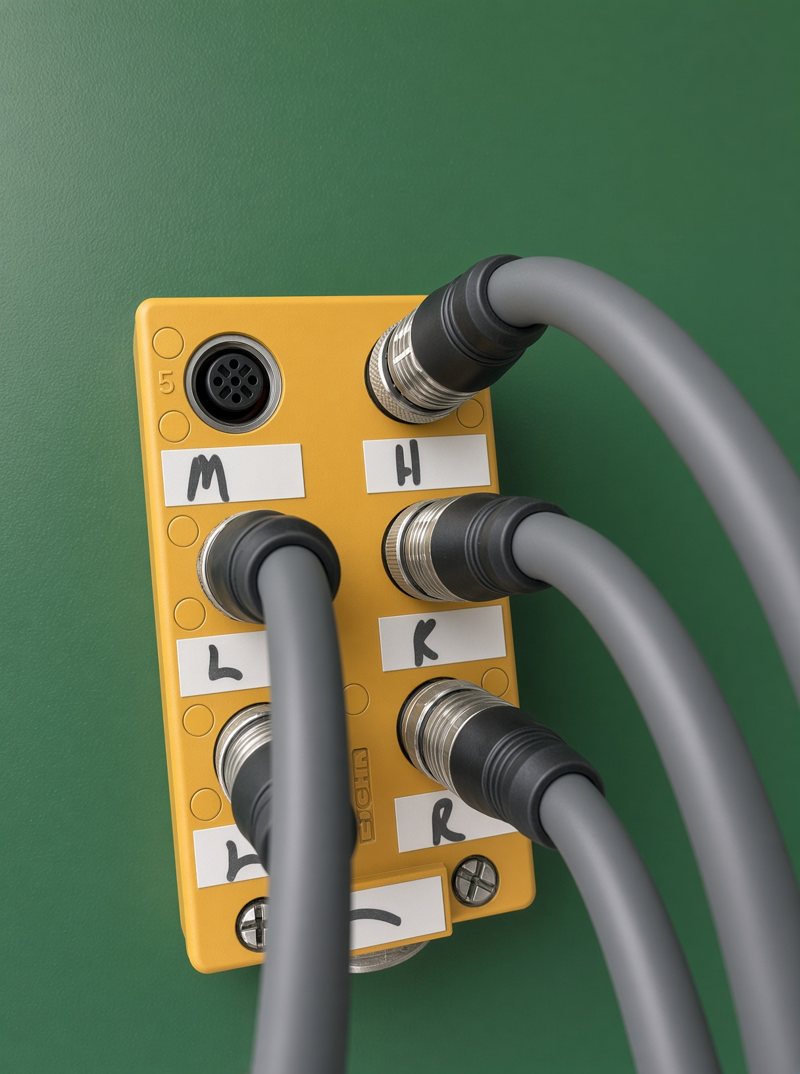
Try it: find the bad bar
Tap a socket to unplug or plug its cable, press Zero, and watch the weight. Practice only - the numbers are made up.
Loading... If nothing appears, call 800-582-3175.
What it means
- It climbs high: the Libra box is fine. The problem is on the cart side - the main cable, the junction box or a weigh bar. Plug the cable back in and find the bad bar. Brent, Unverferth, Parker, Killbros or Orthman cart? Check the Ezi-Mate junction box first.
- It doesn't move at all with the cable unplugged: call us. That is when we look at the box itself.
Practice the whole job - weigh around, tap test, meter and inspect - on the grain cart scale troubleshooter.
Don't calibrate around a problem. If the scale is drifting or jumping, calibrating only hides it.
Still stuck? Call 800-582-3175 - a person in our shop answers. Back to Libra help: start here.